Art Forms
Madhubani
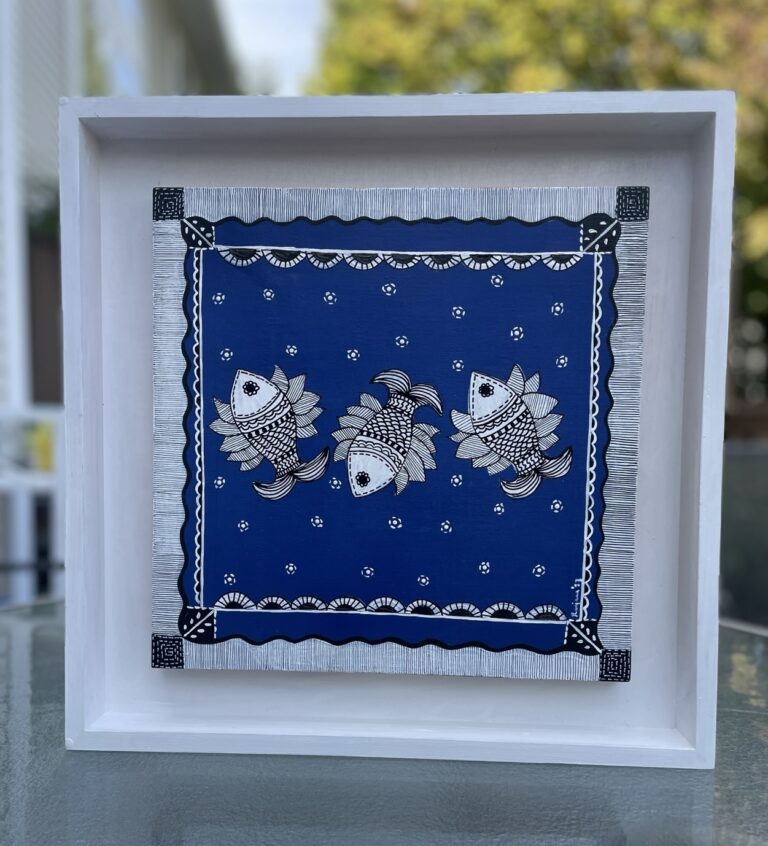
Madhubani art, also known as Mithila painting, is one of India’s oldest and most cherished art traditions, originating from the Mithila region of Bihar and Nepal. Traditionally, it was painted on freshly plastered mud walls and floors during festivals, weddings, and special ceremonies, serving as both decoration and blessing. Today, Madhubani extends its charm to handmade paper, canvas, and textiles, making it accessible to a global audience.
What makes Madhubani extraordinary is its use of natural pigments and symbolic motifs. Artists draw inspiration from flowers, leaves, turmeric, and soot to create striking colors. The themes often revolve around mythology, rituals, fertility, prosperity, and nature’s abundance. Fish, birds, the sun, and deities like Krishna and Durga frequently appear, each carrying auspicious meaning. With its bold lines and vibrant palette, Madhubani painting is more than just art—it is a reflection of cultural identity and spiritual expression.
Art Forms
Pichwai
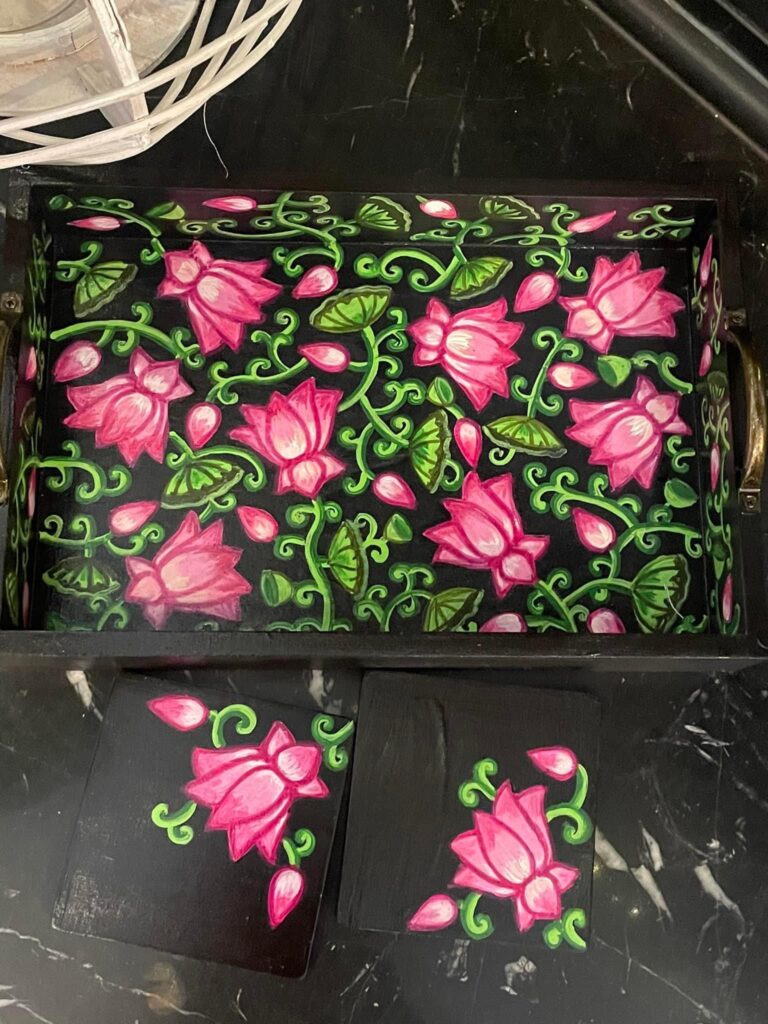
Pichwai art is an exquisite devotional painting tradition that emerged in the 17th century in Nathdwara, Rajasthan. The word “Pichwai” itself means “that which hangs at the back,” as these intricate cloth paintings were originally created as temple backdrops for Lord Krishna, especially the form of Shrinathji.
What sets Pichwai apart is its meticulous detailing and layered symbolism. Every lotus, cow, or flute in a Pichwai painting has meaning, narrating stories from Krishna’s life, festivals, and the changing seasons. Traditionally, Pichwai paintings were created using natural colors and pure gold, requiring months of labor and devotion. More than just visual beauty, Pichwais embody spirituality—offering viewers a sense of peace, devotion, and timeless connection with divinity. Even today, this art form continues to blend sacred tradition with modern appreciation, adorning homes, temples, and galleries worldwide.
Art Forms
Kalamkari
Derived from the Persian words kalam (pen) and kari (craftsmanship), Kalamkari is an ancient art form that flourished in Andhra Pradesh around 3000 years ago. It began as temple art, where scrolls and cloths painted with epics like the Ramayana and Mahabharata were displayed as visual storytelling tools.
There are two distinct Kalamkari styles:
- Srikalahasti style – completely hand-drawn with a pen or brush, focusing on religious themes and free-flowing designs.
- Machilipatnam style – created with block printing, featuring floral and decorative motifs inspired by Persian influence.
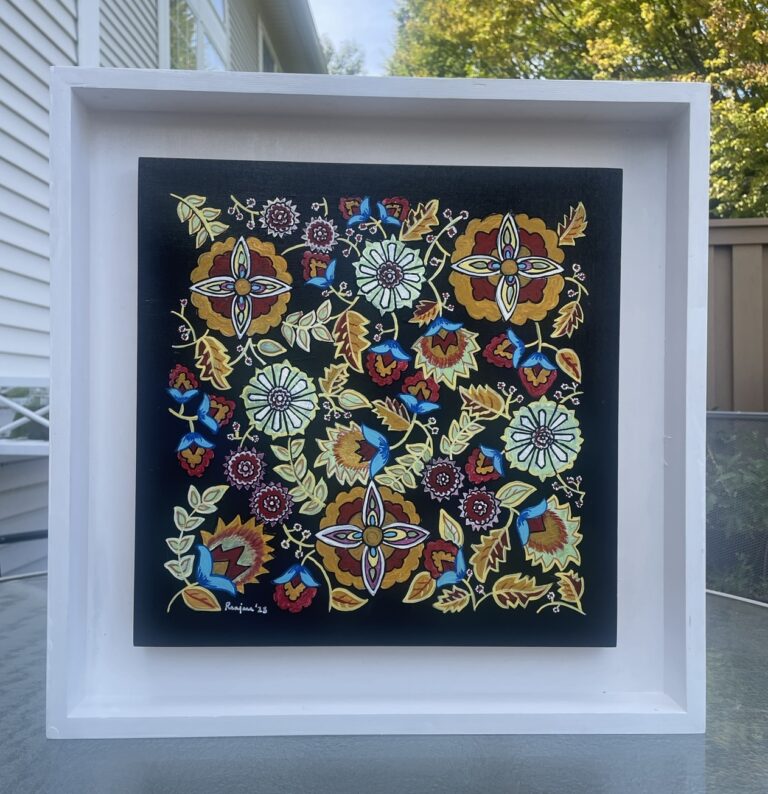
What makes Kalamkari timeless is its fusion of mythology, nature, and philosophy. Peacocks, the Tree of Life, flowers, and divine figures form recurring motifs, symbolizing harmony and interconnectedness. Once popular with royal courts and global traders, Kalamkari now thrives in contemporary fashion, home décor, and modern art, proving its ability to adapt while preserving its ancient essence.
Art Forms
Alpona
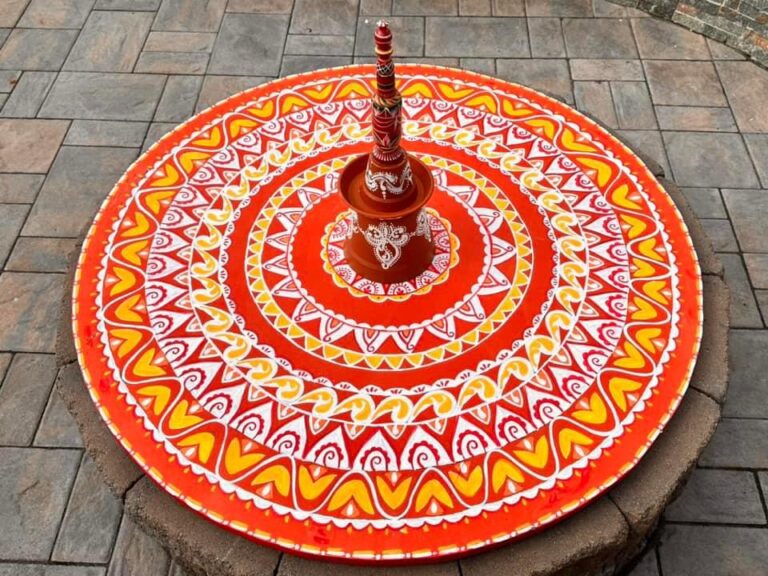
Alpona is a traditional Bengali folk art that turns everyday floors and walls into canvases of devotion and creativity. Created using a paste of rice flour mixed with water, Alpona patterns are drawn during festivals, weddings, and religious ceremonies.
What makes Alpona special is its spontaneity and ritualistic significance. Women, often using their fingers or a piece of cloth, create flowing designs of flowers, spirals, and geometric patterns. Each motif carries meaning—lotuses for purity, fish for prosperity, conch shells for spiritual awakening. Alpona is believed to attract blessings and ward off negativity, making it an inseparable part of Bengali culture.
In modern times, Alpona has extended beyond rituals into art exhibitions, pottery decoration, and even public street art projects in Bengal, showing how this age-old tradition continues to evolve while keeping its soul intact.
Art Forms
Gond Art
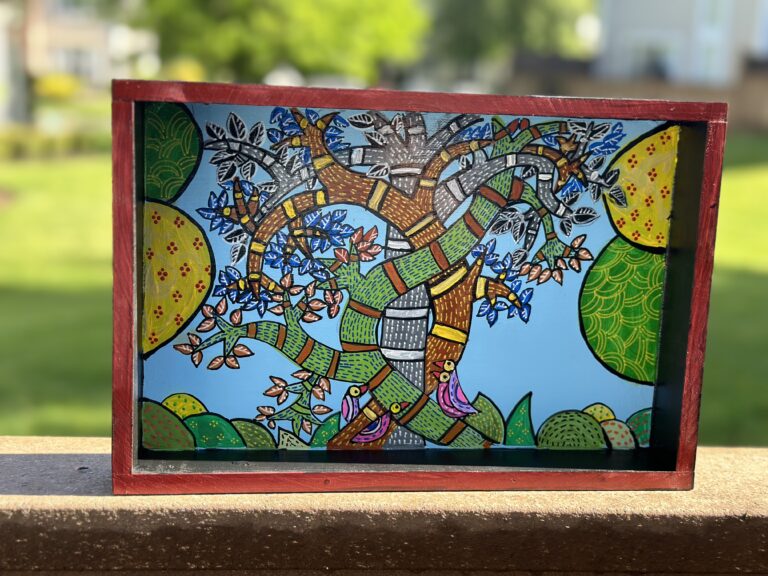
Hailing from the indigenous Gond tribes of central India, particularly Madhya Pradesh, Gond art is an explosion of color, imagination, and symbolism. The word Gond comes from Kond, meaning “green mountain,” reflecting their deep connection with nature.
Gond paintings are known for their signature style of filling shapes with dots, lines, and intricate patterns. Whether depicting tigers, deer, birds, or trees, every creation is rooted in folklore and daily life. Traditionally, these patterns were drawn on mud walls, but today they are celebrated on paper, canvas, and fabric.
What makes Gond art captivating is its rhythmic energy and storytelling spirit. Every dot, every curve contributes to the vibrancy, making the artwork come alive. Gond artists believe that drawing these images not only decorates the world but also invokes good fortune and spiritual well-being.
Art Forms
Chintz
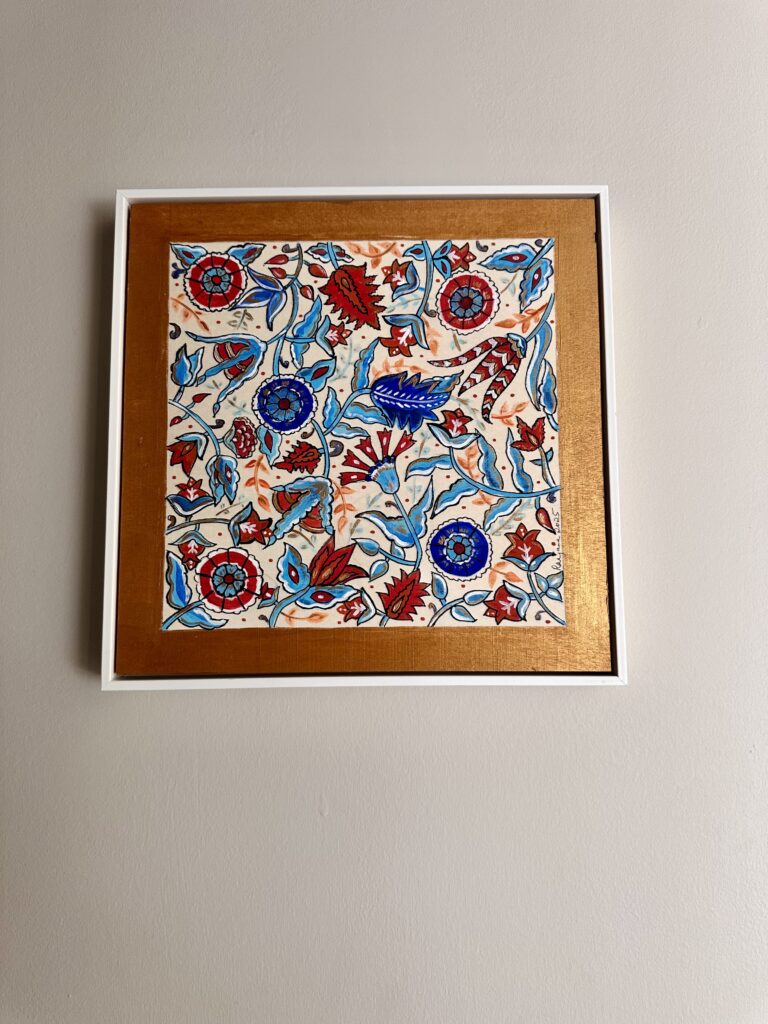
Chintz is a decorative textile tradition that rose to fame in 17th-century India and quickly became a global sensation. The word comes from the Hindi chhint, meaning “spotted” or “speckled.” Chintz fabrics were admired by European traders for their bright floral patterns, durability, and exotic appeal, eventually influencing fashion and interiors across continents.
Chintz designs usually feature lush gardens, flowering vines, and intricate foliage, created using hand-block printing, resist-dyeing, and painting. In India, Chintz symbolized elegance and artistry, while abroad it became a luxury item that shaped entire design movements.
In contemporary art, Chintz has found new expressions, including hand-painted Chintz designs on wood and decorative objects, blending traditional textile motifs with modern craft forms. This reinvention keeps Chintz relevant as both a historic treasure and a stylish design trend.
Art Forms
Warli Art
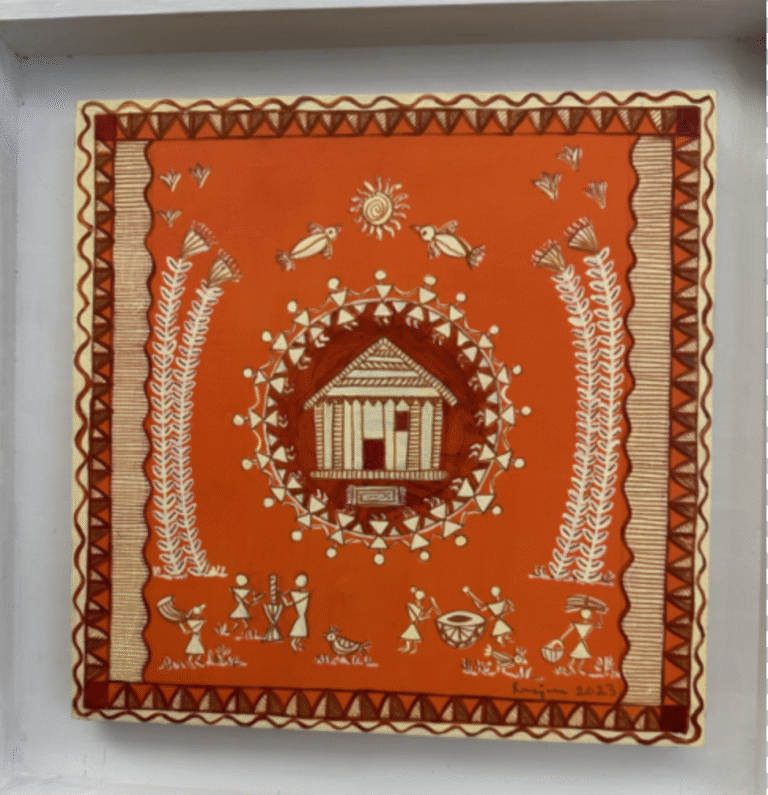
Warli art is one of the oldest tribal art forms of India, practiced by the Adivasi communities of the North Sahyadri region in Maharashtra. Dating back thousands of years, it is deeply connected with rituals, harvests, and celebrations.
Unlike other colorful art forms, Warli is known for its simplicity and minimalism. Using only white pigment (rice paste) on red or brown mud backgrounds, Warli paintings depict daily life—farming, hunting, dancing, and family gatherings. Circles represent the sun and moon, triangles symbolize mountains and trees, while squares signify sacred enclosures.
Despite its simplicity, Warli conveys profound meaning: community, balance, and coexistence with nature. What began as sacred ritual drawings on hut walls is now a globally recognized art form, often reimagined in fashion, murals, and digital media while retaining its soulful authenticity.